


Millions of people use basic terms like shoes, laptop, or marketing in their daily Google searches. These short and simple words are called short tail keywords. While they might seem plain, they play a powerful role in helping search engines link users to the most relevant websites.
If you’re new to SEO or digital marketing, understanding head keywords is a great place to begin.In this guide, we are going to discuss what they are, why they are relevant, and how you can implement the same to build your presence online.
These keywords can help your website show up in search engines and bring you more visitors. But to use them well, you need to understand what they are, how they work, and where they fit into your overall SEO plan.
What Are Short Tail Keywords?
Short tail keywords are the basic search words consisting of a single word or limited number of words only.They usually describe a broad topic without going into details. When someone types a short keyword into Google, it’s not always clear what exactly they want, but it still gives websites a chance to appear in many different kinds of search results.
Because these keywords are so broad, they get a lot of searches. But at the same time it also denotes that there is a tremendous competition to achieve rank in them. It can be tough for new websites to appear on the first page for generic Keywords, but understanding them helps you build a strong SEO foundation.
Why short-tail keywords Matter
Even though they are hard to rank for, short tail keywords still play a big role in how people find websites online. They help create awareness and bring traffic to websites that already have strong authority. If your site is new or you’re just starting with SEO services in Pakistan, you might not see fast results with head keywords, but they should still be part of your keyword research and long-term SEO planning.
They are especially useful for building general topic clusters. Once your website becomes trusted on a specific subject, Google may start ranking you higher even for short keywords.
Short Tail Keywords vs Long Tail Keywords
The long tail key word is very unlike the head keyword. A short tail keyword might be just “camera” while a long tail keyword could be “best budget camera for travel 2024.” Short tail terms bring more traffic,the long tail keywords are shorter, less competitive and can be ranked easily but they are also long.
Using a mix of both types can give you the best results. You can start by targeting long tail keywords and slowly add generic keywords into your strategy as your site grows.
How to Use short-tail keyword Effectively
The most important thing when using heal keywords is to use them naturally in your content. Don’t try to force them in too many times, or it will look spammy. Search engines are smart enough to understand your content even if you don’t repeat the keyword a lot.
Try to include the short tail keyword in your main heading, your page title, and once or twice in the body of your article. Also, use variations and related terms that help give context to your content. This assists Google to know what your page is all about without keyword stuffing.
Challenges with short tail keywords
- High Competition: Many websites target the same short keywords, making it hard to rank especially for new sites. Competing with well-established domains is tough.
- Unclear User Intent: Short terms like “marketing” can mean many things. It’s hard to tell if the user wants a definition, service, or tutorial, which makes content targeting tricky.
- Requires Strategic Use: You can’t rely only on short-tail keywords. They should support broader content strategies and long-term SEO growth.
- General Search Behavior: These keywords attract a wide audience but may not bring users who are ready to take action, which can lower conversion rates.
- Content Must Add Value: Since the keywords are so broad, your content needs to be genuinely helpful and relevant to match different search intentions.
Where to Find Short Tail Keywords
Finding short-tail keywords is easy. You can use tools like Google Trends to see what’s being searched the most. Start typing a word into Google, and you’ll see automatic suggestions based on popular searches.Numerous ones of the suggestions are short tail, and variant terms.
Other tools like Ahrefs, Ubersuggest, or SEMrush can also help you find high-volume head keywords. Just remember that high search volume also means higher competition, so choose your keywords carefully.
When Should Beginners Use Short tailed Keywords?
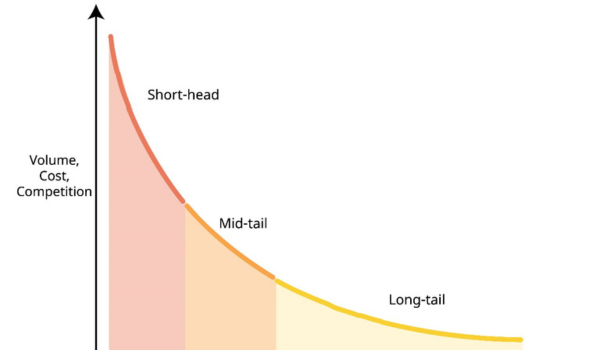
If you are just launching a website or blog then it’s more advisable to concentrate on long tail keywords in the starting.However that does not mean you should dismiss long tail keywords all. You can still use them in your headings or as part of longer keyword phrases. Over time, as your site builds authority, you’ll have a better chance of ranking for short tail keywords too.
For example, if your main topic is “fitness” start by writing content like “fitness tips for beginners” or “at-home fitness routines.” As your site grows, you’ll slowly start getting visibility for the shorter keyword “fitness” as well.
Tips for Using short-tail keyword in SEO
Here are a few simple tips:
- Don’t overuse the keyword Keep it natural.
- Focus on building helpful content around the keyword.
- Long Tail Keywords are to be used to enhance results for the same.
These tips may seem small, but they can make a big difference over time.
How Short Tail Keywords Help with Branding
Short tail keywords are great for brand recognition. If someone searches “SEO” and sees your brand name in the results, they’ll start associating your brand with that topic. Even if they don’t click right away, seeing your name again and again builds trust.
This is why many top companies continue to invest in content that targets head keywords. It helps them stay visible and build long-term authority.
FAQs
1. What is a short tail keyword?
A short tail keyword is a search term made up of one or two words, like “fitness” or “marketing”. These are general terms with high search volume but low intent clarity.
2. Are short tail keywords good for beginners?
Short-tail keywords are helpful to learn, but they are hard to rank for if your site is new. Beginners should use them carefully and pair them with long tail keywords.
3. What makes short tail keywords hard to compete for in search results?
These keywords have very high competition. Big websites and brands usually dominate the search results, making it tough for newer sites to show up.
4. How do short-tail keyword affect SEO?
They help with broad visibility and branding. If your site becomes trusted, using short-tail keywords can bring large volumes of traffic over time.
5. Should I use short tail keywords in blog posts?
Yes, but sparingly. Include them in headings, intros, or title tags. Just make sure they sound natural and are part of useful, relevant content.